 https://antarcticstories.eu/wp-content/uploads/2018/08/windy.jpg
1152
2048
Admin
https://antarcticstories.eu/wp-content/uploads/2018/10/n-b_1-297x300.png
Admin2018-01-28 00:00:002018-10-22 14:18:47El Nino reaches to Antarctica
 https://antarcticstories.eu/wp-content/uploads/2018/10/n-b_1-297x300.png
0
0
Admin
https://antarcticstories.eu/wp-content/uploads/2018/10/n-b_1-297x300.png
Admin2018-01-05 00:00:002018-10-22 14:19:17European Polar Board scientific initiatives
https://antarcticstories.eu/wp-content/uploads/2018/10/n-b_1-297x300.png
0
0
Admin
https://antarcticstories.eu/wp-content/uploads/2018/10/n-b_1-297x300.png
Admin2017-12-14 00:00:002018-10-22 14:19:32Rescued radar images reveal what’s under the ice
https://antarcticstories.eu/wp-content/uploads/2018/10/n-b_1-297x300.png
0
0
Admin
https://antarcticstories.eu/wp-content/uploads/2018/10/n-b_1-297x300.png
Admin2017-12-06 00:00:002018-10-22 14:19:39‘Shame and anger’ at plastic
 https://antarcticstories.eu/wp-content/uploads/2017/12/iceberg006.jpg
1365
2048
Admin
https://antarcticstories.eu/wp-content/uploads/2018/10/n-b_1-297x300.png
Admin2017-12-03 00:00:002018-10-22 14:19:58Dr Robert Mulvaney talks about Beyond Epica
 https://antarcticstories.eu/wp-content/uploads/2017/11/plastic-sea.jpg
853
1280
Admin
https://antarcticstories.eu/wp-content/uploads/2018/10/n-b_1-297x300.png
Admin2017-11-24 00:00:002018-10-22 14:20:26BAS explores impact of plastic in the polar regions
 https://antarcticstories.eu/wp-content/uploads/2018/01/concordia.jpeg
1365
2048
Admin
https://antarcticstories.eu/wp-content/uploads/2018/10/n-b_1-297x300.png
Admin2017-11-13 00:00:002018-10-22 14:21:06Fin d’hivernage à Concordia
https://antarcticstories.eu/wp-content/uploads/2018/10/n-b_1-297x300.png
0
0
Admin
https://antarcticstories.eu/wp-content/uploads/2018/10/n-b_1-297x300.png
Admin2017-11-10 00:00:002018-10-22 14:21:49Decline of periglacial zones: biodiversity at risk
 https://antarcticstories.eu/wp-content/uploads/2017/11/bacteria.jpg
1056
1920
Admin
https://antarcticstories.eu/wp-content/uploads/2018/10/n-b_1-297x300.png
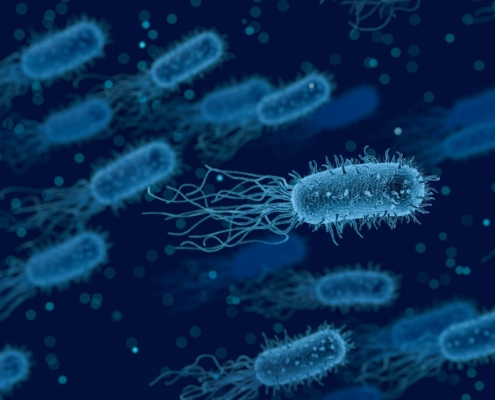
Admin2017-11-02 00:00:002018-10-08 17:02:39Methane-eating bacteria found under West Antarctic ice sheet
https://antarcticstories.eu/wp-content/uploads/2018/03/iceberg003.jpg
1280
1920
Admin
https://antarcticstories.eu/wp-content/uploads/2018/10/n-b_1-297x300.png
Admin2017-10-29 00:00:002018-10-22 14:22:26Life under the ice


